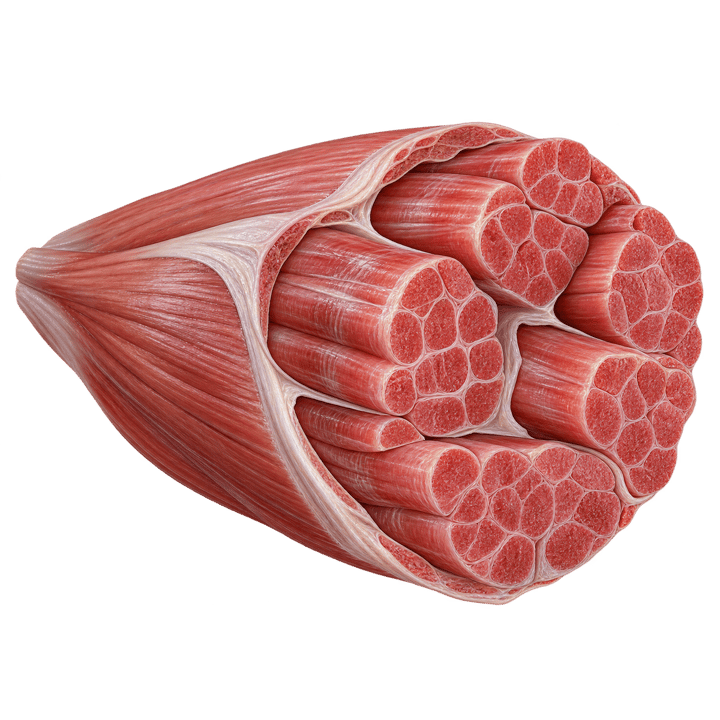
Creatine is a kind of steroid
Short answerNo
On this page
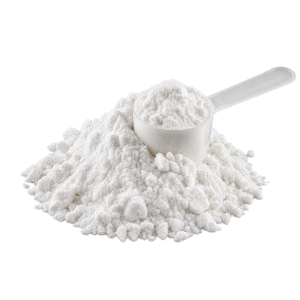
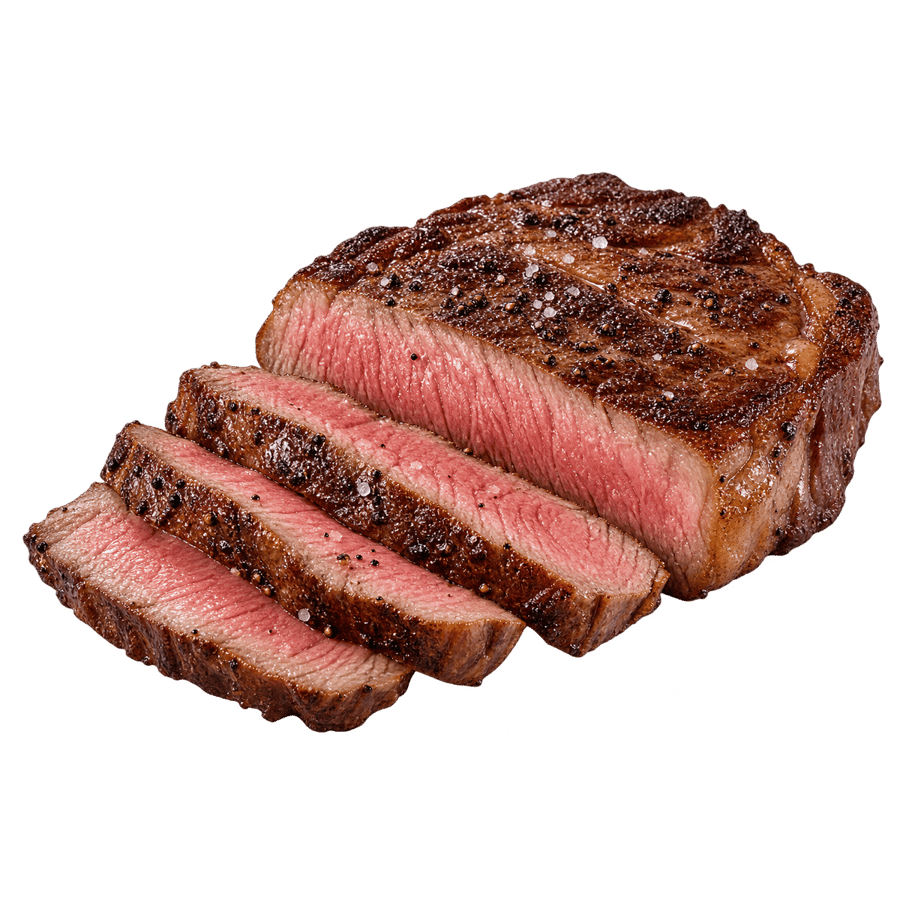
No. Creatine is a small molecule your liver and kidneys make every day, and meat and fish carry it. A 5 g scoop holds the creatine in about 2.4 lb (1.1 kg) of raw steak. Steroids are synthetic versions of testosterone, a completely different molecule that works a different way. In a 12-week trial, men on creatine had the same testosterone as men on placebo.
What we’d do
Treat creatine as what it is, a well-tested supplement closer to food than to a drug. It’s legal to buy for adults, it doesn’t act like a hormone, and it won’t do anything for you without training. If you’re under 18, skip it for now, for reasons the safety section covers.
If you remember three things
- Your body makes creatine. About half of what you use each day if you eat meat, and nearly all of it if you don’t.
- Steroids are synthetic testosterone. Creatine has a different structure and no hormone action.
- Testosterone didn’t change. Neither in the 2009 rugby study nor in a 12-week trial in 2025.
Why people believe it
Creatine and steroids both help people build muscle when they lift, and both come up in the same locker-room conversations. Creatine is a white powder sold in big tubs next to products with aggressive labels. Its name sounds chemical. And in some places, like New York, it’s one of the ingredients that can get a product classed as a muscle-building supplement, which can’t be sold to anyone under 18.
All of that makes creatine look a lot more like a drug than it is.
It’s in your dinner
A 5 g scoop of creatine is the amount in about 2.4 lb (1.1 kg) of raw steak, far more than one person eats at a meal. Cooking leaves a bit less. Nobody calls a steak a performance drug, and the creatine in it is the same molecule as the one in the tub.
What creatine is
The French chemist Michel Eugène Chevreul first pulled creatine out of muscle in 1832. Your liver and kidneys make it from two amino acids, arginine and glycine. About 95% of it ends up in your muscles, where it stores a ready charge for the energy molecule ATP. Every day your body breaks down 1 to 2% of it and replaces 1 to 3 g, about half from food if you eat meat. A pound of raw beef or salmon carries about 1 to 2 g.
What steroids are
Anabolic steroids are synthetic versions of testosterone. They get into muscle cells, attach to the cell’s androgen receptor and switch on genes that build muscle protein. In the US they’re controlled drugs, Schedule III, and illegal to have or use without a prescription.
A 2021 review lays out the difference. Creatine has a completely different chemical structure, it works through phosphocreatine and the energy it stores, and it’s sold legally as a dietary supplement. What the two share is the outcome, more muscle with training, by completely different routes. Creatine gets there by letting you do a bit more work in each hard set.
Does creatine raise testosterone?
Not in the trials that measured it. In the 2009 rugby study that started the hair loss scare, testosterone didn’t change during three weeks of creatine. In a 2025 trial, 45 men who lifted took 5 g a day or a placebo for 12 weeks, and 38 finished. Testosterone, free testosterone and DHT came out the same in both groups.
The best case for the steroid worry
Creatine does seem to nudge some hormones. In the 2009 study, DHT, a hormone made from testosterone, rose 56% during loading, though it stayed within normal limits. A 2024 trial of 40 young adults reported higher growth hormone and IGF-1, and a better testosterone-to-cortisol ratio, in its creatine groups during 8 weeks of lifting.
Those are changes in the body’s own hormones during training, in small trials, and the 2025 trial that measured DHT for 12 weeks found no difference. A nudge in growth hormone during a lifting program isn’t the same as taking synthetic testosterone. Steroids add a synthetic hormone from outside the body. Creatine adds more of a nutrient your body already makes and eats.
Is it allowed?
Creatine is a dietary supplement in the US, legal to buy and use for adults. A 2021 review notes there are no legal consequences for having or taking it, unlike anabolic steroids. New York bans selling muscle-building supplements to anyone under 18, and creatine is one of the ingredients a court can weigh in deciding whether a product counts.
9 sources
- Antonio J and others, Common questions and misconceptions about creatine supplementation: what does the scientific evidence really show?, JISSN, 2021pmc.ncbi.nlm.nih.gov
- Kreider RB and others, International Society of Sports Nutrition position stand: safety and efficacy of creatine supplementation in exercise, sport, and medicine, JISSN, 2017pmc.ncbi.nlm.nih.gov
- Harris RC, Söderlund K, Hultman E, Elevation of creatine in resting and exercised muscle of normal subjects by creatine supplementation, Clinical Science, 1992pubmed.ncbi.nlm.nih.gov
- Purchas RW, Busboom JR, Wilkinson BH, Changes in the forms of iron and in concentrations of taurine, carnosine, coenzyme Q10, and creatine in beef longissimus muscle with cooking and simulated stomach and duodenal digestion, Meat Science, 2006pubmed.ncbi.nlm.nih.gov
- Lak M and others, Does creatine cause hair loss? A 12-week randomized controlled trial, JISSN, 2025pmc.ncbi.nlm.nih.gov
- van der Merwe J, Brooks NE, Myburgh KH, Three weeks of creatine monohydrate supplementation affects dihydrotestosterone to testosterone ratio in college-aged rugby players, Clin J Sport Med, 2009pubmed.ncbi.nlm.nih.gov
- Eghbali E, Arazi H, Suzuki K, Supplementing with which form of creatine (hydrochloride or monohydrate) alongside resistance training can have more impacts on anabolic/catabolic hormones, strength and body composition?, Physiological Research, 2024pmc.ncbi.nlm.nih.gov
- Clarke H, Hickner RC, Ormsbee MJ, The potential role of creatine in vascular health, Nutrients, 2021pmc.ncbi.nlm.nih.gov
- New York General Business Law section 391-oo, Sale of over-the-counter diet pills and dietary supplements for weight loss or muscle building, revision of 2024-04-26nysenate.gov